Open-end Wrench Line Art Review
As a designer with years of experience in embroidery and digital product creation, I’ve evaluated countless designs for real-world use. Open-end Wrench Line Art stands out as a versatile and practical choice for a range of projects, from custom apparel to handmade gifts. But like any design, it has its strengths and limitations that need careful consideration before final use.
First Impressions: A Bold, Functional Design
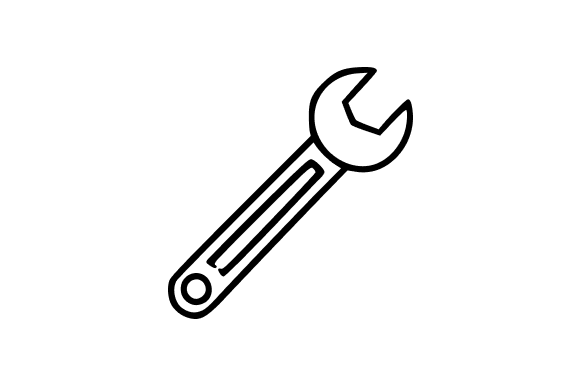
The first thing that catches the eye is the clean, minimalist style of Open-end Wrench Line Art. The illustration exudes a sense of utility and precision—perfect for a design that’s meant to represent tools or mechanical themes. The line work is sharp and deliberate, with no unnecessary details that could complicate stitching or dilute the visual impact.
This design feels right at home on items like aprons, tote bags, and sweatshirts where a strong, recognizable image is key. It doesn’t scream for attention but commands respect through simplicity. The layout is well-balanced, making it easy to scale up or down without losing clarity.
Real-World Embroidery Performance
When it comes to machine embroidery design, Open-end Wrench Line Art holds up surprisingly well. The lines are consistent enough to translate into a variety of stitch types, including running stitch and satin stitch. For a design that’s primarily line-based, it doesn’t require excessive fill stitches, which helps keep the overall stitch density manageable.
This makes it ideal for custom apparel, especially for small business owners looking to add unique touches to their merchandise. Whether it’s a tote bag design or a sweatshirt embroidery, the design maintains its integrity without becoming too dense or overwhelming.
For baby items or nursery decor, the clean lines and lack of intricate details make it a safe choice. It’s less likely to be too busy or distracting, which is important when creating something meant for children.
Where to Use It Carefully
Despite its strengths, there are situations where Open-end Wrench Line Art may not perform as well. On small hoop sizes, the design might feel cramped, especially if the user is trying to fit it into a tight space. This could lead to misalignment or uneven stitching if not handled carefully.
On textured fabrics or thin materials, the design may not show up as clearly. It’s also worth noting that on dark fabric, the contrast between the thread color and the background can significantly affect the final look. Testing different thread colors on scrap fabric is always a good idea before committing to a project.
Stretchy fabrics or layered garments can also pose challenges. The design may shift slightly during stitching, leading to distortion. Proper stabilizer use is essential here to ensure the design stays in place and looks crisp after completion.
Impact on Visual Appeal and Customer Perception
Open-end Wrench Line Art adds a professional touch to any embroidered item. Its clean aesthetic elevates the finished product, making it more appealing to customers who value quality and craftsmanship. For Etsy sellers or small shop owners, this design can help differentiate their products in a crowded market.
It also enhances brand consistency, especially for businesses that focus on tool-related themes or industrial aesthetics. The design can be used across multiple product lines, reinforcing a cohesive visual identity.
From a customer standpoint, a well-executed Open-end Wrench Line Art design can increase perceived value. It signals that the product is thoughtfully designed and made with care, which can boost buyer confidence and encourage repeat purchases.
Practical Designer Notes
Before using Open-end Wrench Line Art in your next project, here are a few practical tips to keep in mind:
- Test the design on scrap fabric to see how it looks in different thread colors and fabric textures.
- Check the stitch density to ensure it won’t cause puckering or distortion on delicate materials.
- Confirm the hoop size required for your machine to avoid any resizing issues.
- Inspect small details closely—some line art may have subtle elements that don’t translate well in certain stitch types.
- Use black and white mockups to evaluate how the design appears in different lighting conditions.
- Compare the design on light and dark fabric backgrounds to determine the best thread color for your project.
- Always use the appropriate stabilizer for the fabric type to prevent shifting or stretching.
Whether you’re working on a personalized gift, a craft fair product, or a commercial embroidery project, Open-end Wrench Line Art offers a reliable foundation. Just be sure to tailor its application to the specific needs of your project and your audience.
Final Thoughts: A Solid Choice for Practical Design
Open-end Wrench Line Art is a great example of a design that balances form and function. It’s not overly complex, but it’s detailed enough to stand out in a variety of settings. For designers and makers looking for a versatile, easy-to-use embroidery file, this design is definitely worth considering.
Just remember to approach it with the same care and attention you’d give any other machine embroidery design. With the right preparation and execution, Open-end Wrench Line Art can become a valuable addition to your creative toolkit.