Brain Vector Icon – Graphics and Illustrations
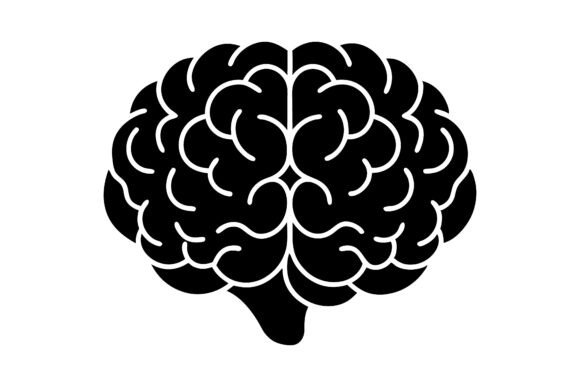
As a designer who regularly works on branding, marketing visuals, and digital design assets, I always look for high-quality illustrations that can elevate a project without overpowering it. The Brain Vector Icon – Intelligence, Mind, and Neuroscience Symbol caught my attention immediately. Its clean lines and thoughtful composition make it a versatile graphic design asset that could fit into a wide range of creative design projects.
First Impressions and Visual Mood
The Brain Vector Icon exudes a sense of calm intelligence. The minimalist style feels modern and professional, yet it retains an approachable quality that makes it suitable for a variety of audiences. The icon’s structure is balanced, with subtle curves and geometric elements that suggest both science and creativity. This makes it ideal for projects related to mental health, education, or innovation-focused brands.
Its visual mood leans toward intellectual and analytical themes, but it doesn’t feel cold or clinical. Instead, it offers a friendly yet sophisticated presence that can enhance the tone of a design without being distracting. This makes it a strong candidate for brand identity, packaging design, or editorial design projects that aim to convey knowledge and clarity.
Real-World Design Applications
When working on a client project for a small business focused on wellness and mindfulness, I found the Brain Vector Icon to be a valuable addition. It worked well as a supporting element in social media graphics, helping to reinforce the theme of mental well-being. In a t-shirt design, it served as a subtle yet meaningful symbol that added depth without overwhelming the overall look.
For a handmade brand launching a line of stationery and printable designs, the Brain Vector Icon provided a consistent visual element that tied together different products. It was especially effective in Canva templates, where its scalable vector format allowed for easy customization across various layouts. Whether used in a product mockup or as part of a sticker design, the icon maintained its clarity and impact.
In a recent print-on-demand project for an Etsy shop, the Brain Vector Icon proved useful as a decorative accent on mugs and tote bags. Its simplicity made it adaptable to different color schemes and materials, and its clean lines ensured that it looked sharp in both large and small formats.
Where It Shines
The Brain Vector Icon excels in large layout areas, such as hero graphics or campaign visuals, where it can serve as a focal point. It also works well as a decorative accent in themed collections or as part of a design bundle. For commercial design projects that require a touch of intellectual flair, this icon can add a layer of sophistication without being too bold.
It’s particularly effective in digital ads, Pinterest pins, and Instagram posts, where its visual appeal can help capture attention. In editorial design, it can act as a visual anchor that guides the reader’s eye through a page or article.
Where to Use With Caution
While the Brain Vector Icon is highly versatile, there are situations where it may not be the best choice. In small sizes, the details can become lost, making it less effective as a standalone element. In crowded layouts, it may compete with other design elements rather than complement them.
On complex backgrounds or low-contrast designs, the icon may not stand out as intended. For minimalist branding or professional corporate materials, it might feel too stylized or unconventional. In these cases, a simpler or more neutral graphic may be more appropriate.
Design Considerations and Practical Notes
Before using the Brain Vector Icon for a client project, I always test it in black and white to see how it performs without color. It holds up well, which is a good sign for projects that may need monochrome versions. I also check contrast on light and dark backgrounds to ensure visibility in different contexts.
Previewing the icon at small and large sizes helps determine its scalability. When placed on real mockups, it maintains its integrity, making it a reliable choice for product labels, packaging design, or website graphics. Testing print quality is also essential, especially if the design will be used on merchandise like t-shirts or mugs.
Reviewing file formats is important too. If the asset includes PNG design files, checking transparency is crucial to ensure it blends seamlessly with different backgrounds. For SVG design files, verifying editability ensures that the icon can be customized without losing quality.
Comparing the icon with different font styles—such as serif, sans serif, script, or display fonts—helps determine how it interacts with text in a layout. This is especially useful for branding projects where typography plays a key role.
Commercial Use and Licensing
One of the most important considerations when using any graphic design asset is the commercial license. Before incorporating the Brain Vector Icon into a client project, I always confirm that the licensing allows for commercial use. This ensures that the final design can be distributed, sold, or used in any necessary context without legal issues.
For small business branding or handmade businesses, the Brain Vector Icon can be a valuable addition to a design toolkit. It fits well within a creative marketplace, offering a professional touch that can enhance the overall aesthetic of a product or service.
Conclusion
The Brain Vector Icon – Intelligence, Mind, and Neuroscience Symbol is a solid graphic design asset that can add value to a variety of projects. Its clean, modern style makes it suitable for branding, marketing visuals, and digital design work. Whether used in a Canva template, a Cricut project, or a print-on-demand product, it offers flexibility and professionalism.
By testing it in different scenarios and considering its strengths and limitations, designers can make informed decisions about its use. For those looking to enhance their creative design with a high-quality illustration, the Brain Vector Icon is worth exploring as part of a broader collection of design assets.